Events

Where the Network Meets

From the inaugural gathering in Vienna to the upcoming TRUST Atlas dialogue series.

Upcoming

Upcoming Events

Upcoming events announced here.

Follow TRUST on social media or get in touch to hear about future meetings first.

Looking for the TRUST Atlas dialogue series? Visit the TRUST Atlas page →

Past Events

Event Archive

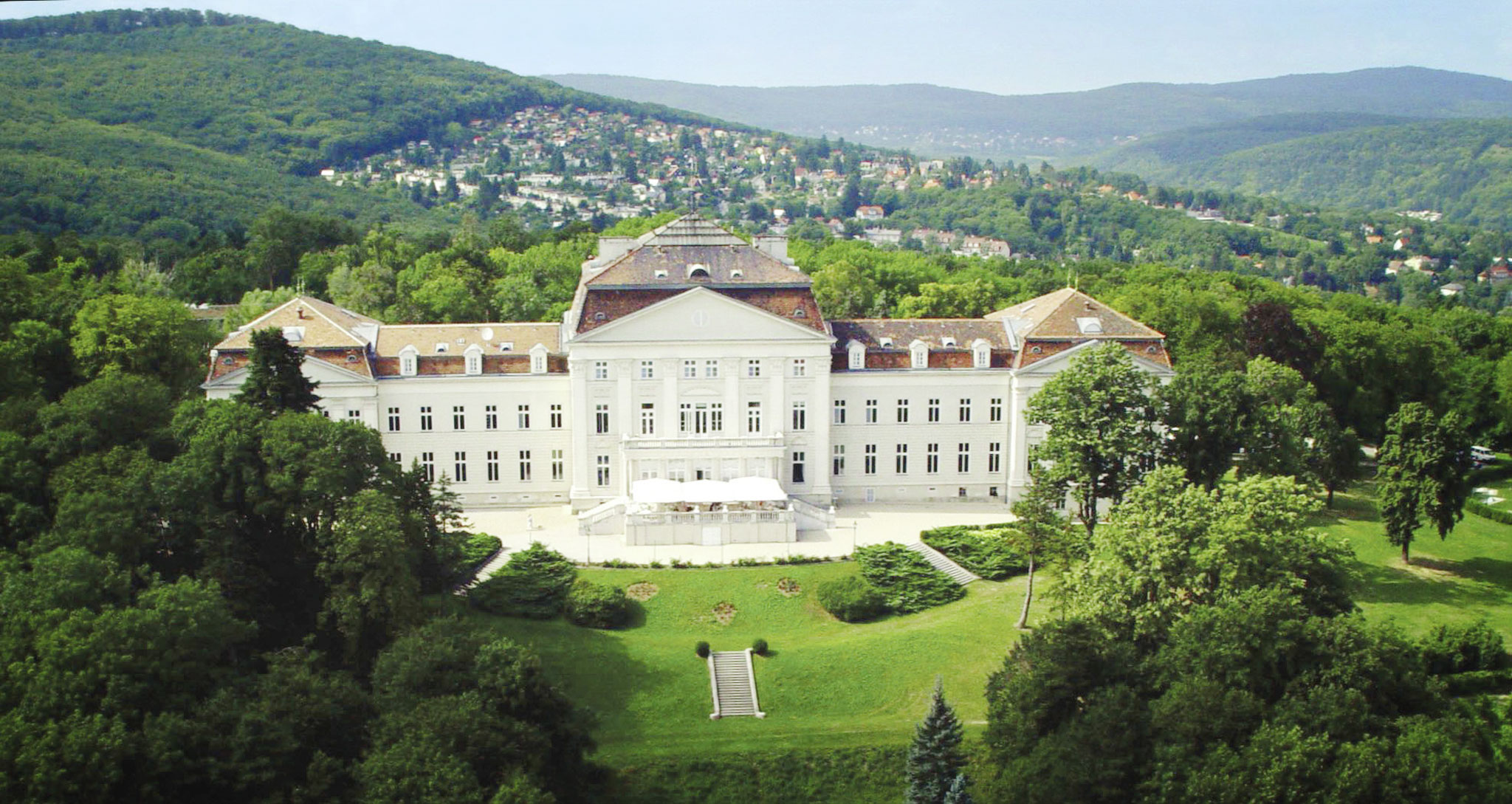
Hotel Schloss Wilhelminenberg, the hilltop palace in Vienna where the inaugural T-R-U-S-T meeting was held

Past Events · Inaugural Meeting

Inaugural Meeting of the T-R-U-S-T Initiative


Hotel Schloss Wilhelminenberg · Vienna, Austria · June 7–9, 2023

The Meeting

The inaugural meeting of the Transdisciplinary Research Union for the Study of Trust (T·R·U·S·T) brought together about 15 leading experts from psychology, neuroscience, sociology, information systems, philosophy, engineering, medicine, and management. Over three days at Schloss Wilhelminenberg in Vienna, the group held a series of brainstorming and discussion sessions to bridge perspectives across disciplines and shape a shared research agenda. The meeting produced a common framework for transdisciplinary trust research and laid the groundwork for the TRUST Foundation and its ongoing dialogue series.

The Outcome

The outcomes of this meeting were summarized in the Foundation's flagship position paper — a call for transdisciplinary trust research in the artificial intelligence era.

2025

Krueger F, Riedl R, Bartz JA, Cook KS, Gefen D, Hancock PA, Jarvenpaa SL, Krabbendam L, Lee MR, Mayer RC, Mislin A, Müller-Putz GR, Simpson T, Takagishi H & Van Lange PAM. “A call for transdisciplinary trust research in the artificial intelligence era.” Humanities and Social Sciences Communications 12, 1124 (2025).
Read the Paper →

Vienna 2023 · The People

Participants

Fifteen world-leading trust researchers across psychology, neuroscience, sociology, information systems, philosophy, engineering, medicine, and management.

Jennifer A. Bartz

Jennifer A. Bartz, Ph.D.

McGill University · Canada

Read bio

Jennifer A. Bartz is a Professor of Psychology at McGill University, Canada. She studied Philosophy and Psychology and received her Ph.D. in Psychology. Her research focuses on neural and psychological underpinnings of human social connection and bonding, employing molecular, physiological, cognitive, behavioral, and experiential methodologies. She explored that — in contrast to the common view as “love hormone” — oxytocin can decrease trust in insecure individuals suggesting a stimulating function over the emotional salience of social cues.

Karen S. Cook

Karen S. Cook, Ph.D.

Stanford University · USA

Read bio

Karen S. Cook is the Ray Lyman Wilbur Professor of Sociology and founding Director of the Institute for Research in the Social Sciences (IRiSS) at Stanford University, USA, and a former trustee of the Russell Sage Foundation. She is a member of the National Academy of Science. She studied and received her Ph.D. in Sociology. Her research focuses on social exchange, social networks, social justice, and on trust in social relations employing standard experimental methods and online studies.

David Gefen

David Gefen, Ph.D.

Drexel University · USA

Read bio

David Gefen is a Professor of Management Information Systems and the Provost Distinguished Research Professor at Drexel University, USA. He is the initializer and the current Academic Director of the Executive Doctorate in Business Administration. He is a Senior Editor at JAIS, is on the Editorial Board of JMIS, and was Senior Editor at MISQ. He studied Psychology, Computer Sciences, and Management Information Systems and received his Ph.D. in Computer Information Systems. His research focuses on trust in the adoption and management of IT projects, products, and online marketplaces, IT outsourcing management, and the meaning of trust using machine learning text analysis.

Peter A. Hancock

Peter A. Hancock, Ph.D.

University of Central Florida · USA

Read bio

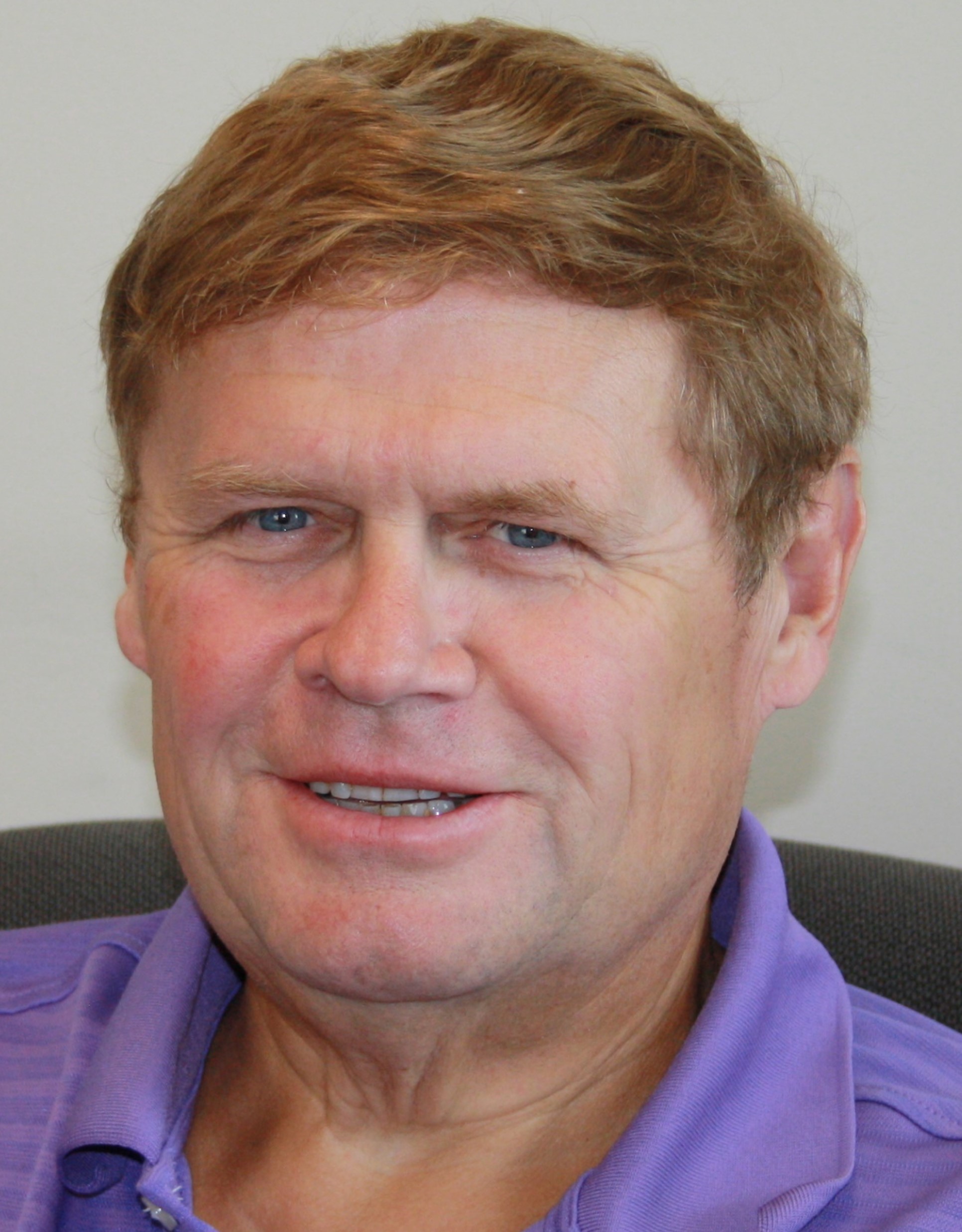
Peter A. Hancock is a Provost Distinguished Research Professor in the Department of Psychology and the Institute for Simulation and Training, as well as at the Department of Civil and Environmental Engineering and the Department of Industrial Engineering and Management Systems at the University of Central Florida, USA. He studied Human Biology and received his Ph.D. in Human Performance. His research focuses on human-robot, human-automation, human-AI, and human-human trust employing empirical evaluations of the impact of energetic states on human performance in specific technological contexts.

Sirkka L. Jarvenpaa

Sirkka L. Jarvenpaa, Ph.D.

The University of Texas at Austin · USA

Read bio

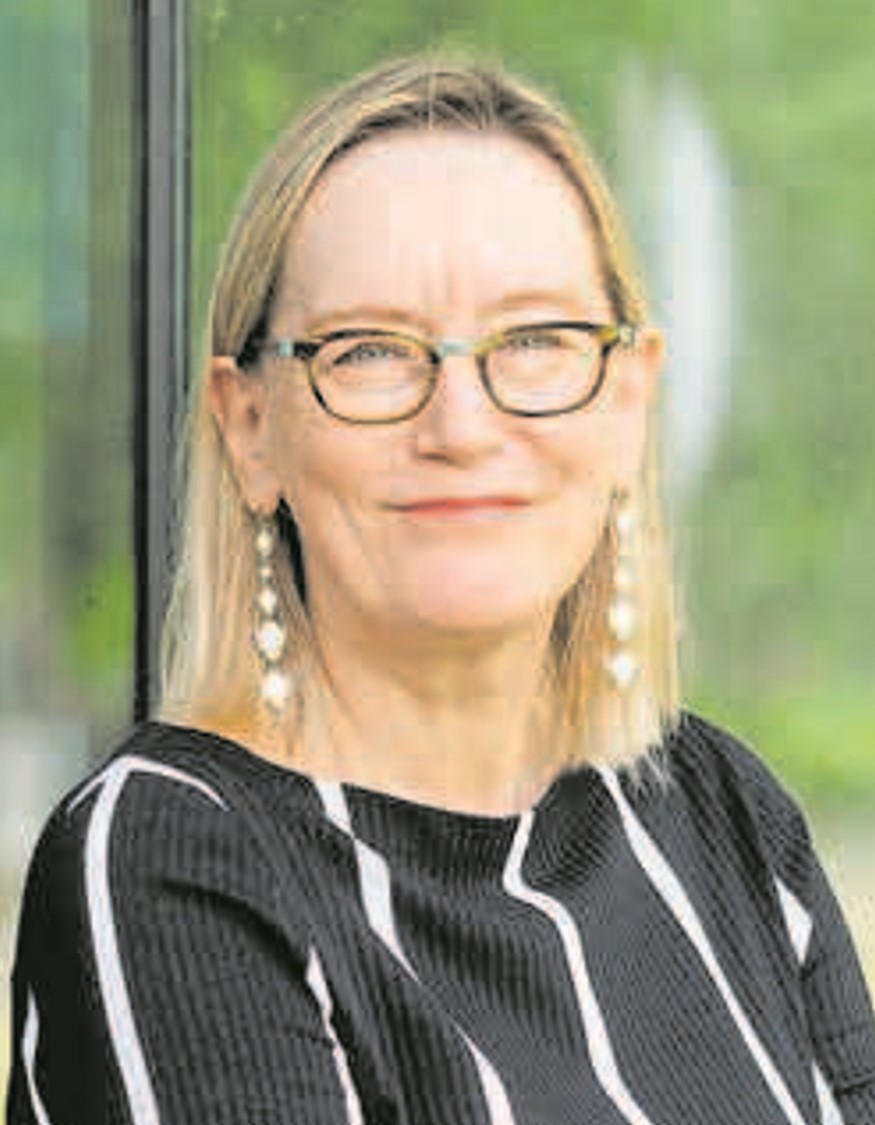
Sirkka L. Jarvenpaa is a Professor of Information Systems and Bayless/Rauscher Pierce Refsnes Chair in Business Administration at the McCombs School of Business, The University of Texas at Austin. She studied and received her Ph.D. in Business Administration. Her research focuses on global information technology, group and organizational decision support systems, and strategic use of information technology. Dr. Jarvenpaa uses a variety of qualitative and quantitative methods. She published early works on trust and virtual teams and ecommerce in information systems, management, engineering, accounting, marketing, psychology, and anthropology journals. She recently published a co-authored book “Words Matter: Communicating Effectively in the New Global Office.” She is a recipient of the Alexander Humboldt Prize for her research achievements.

Lydia Krabbendam

Lydia Krabbendam, Ph.D.

Vrije Universiteit Amsterdam · Netherlands

Read bio

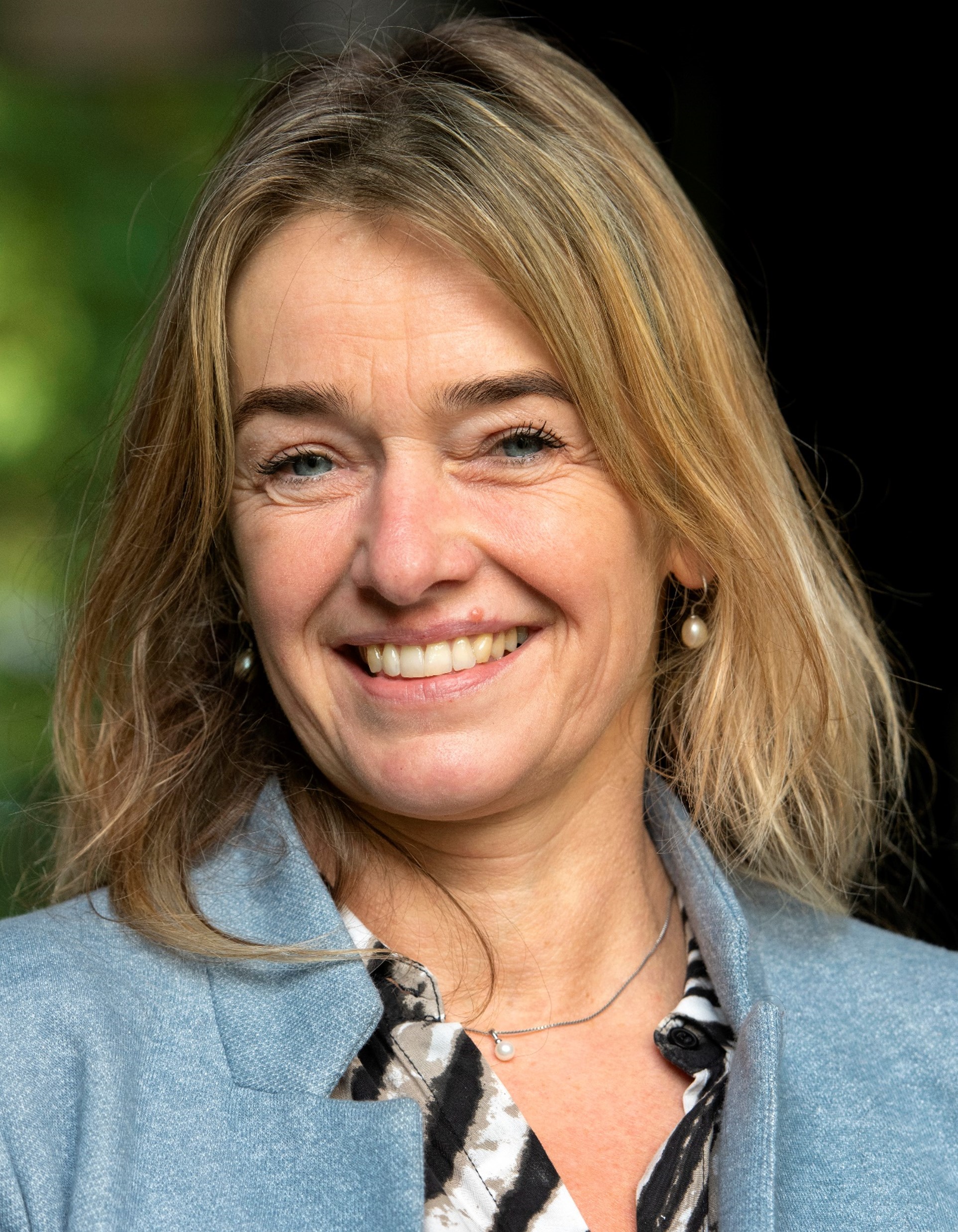
Lydia Krabbendam is a Professor of Developmental Neuropsychology and head of the Department of Clinical, Neuro- and Developmental Psychology at the Vrije Universiteit Amsterdam, Netherlands. She studied Psychology and received her Ph.D. in Neuropsychology. Her research focuses on social cognition regarding its instantiation in the brain, individual differences, and social functioning in daily life, employing questionnaires, neuropsychological tasks, observation, functional magnetic resonance imaging, and Electroencephalography. She published multiple papers on the neural and behavioral correlates of trust in psychosis and in typical development, focusing specifically on associations with symptoms of paranoia as well as with functioning in social networks.

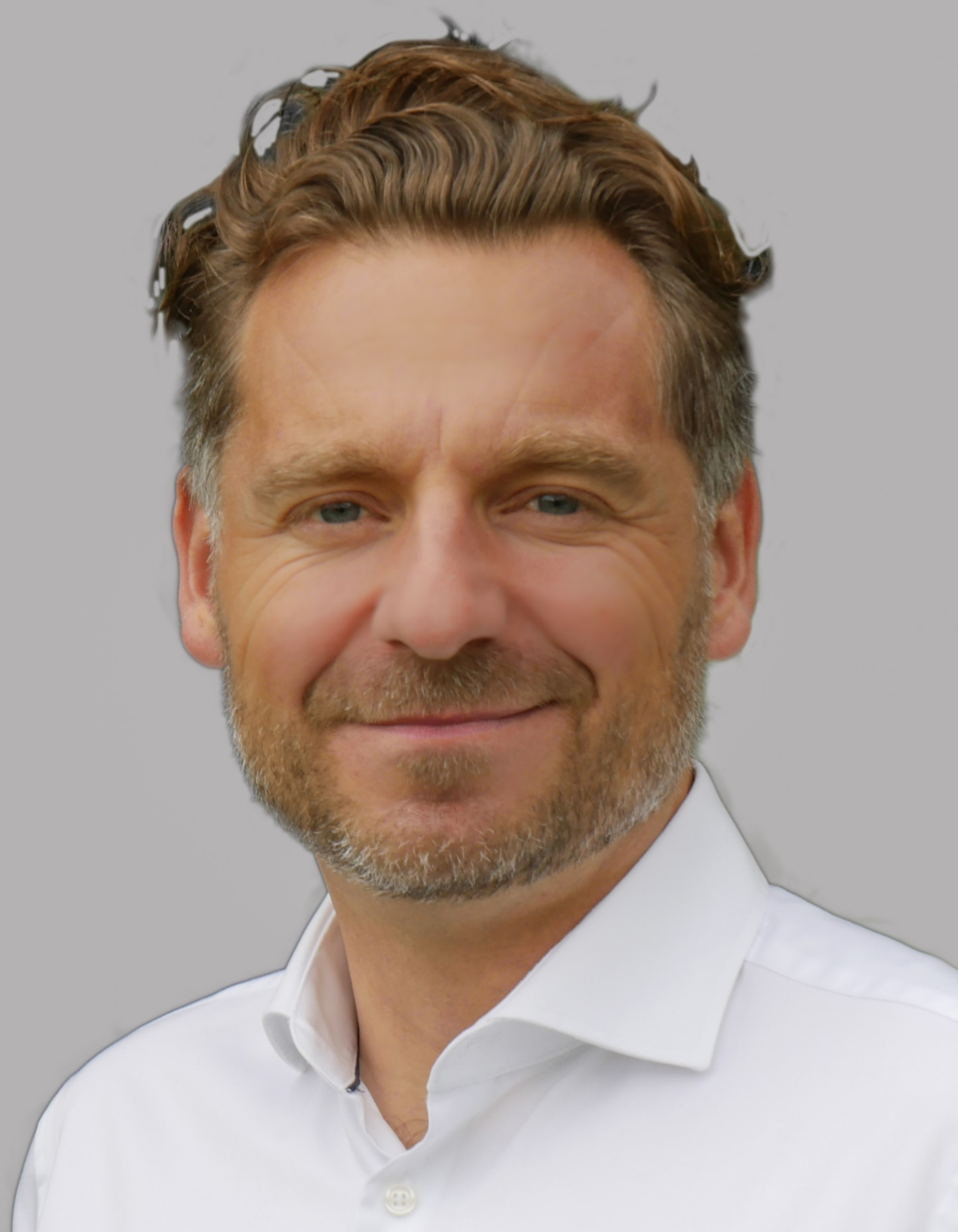
Frank Krueger

Frank Krueger, Ph.D.

George Mason University · USA

Read bio

Frank Krueger is a Professor of Systems Social Neuroscience at the School of Systems Biology and Chief of the Social Cognition and Interaction: Functional Neuroimaging (SCI:FI) Lab at George Mason University, USA. He is an Honorary Professor at the Department of Psychology at the University of Mannheim, Germany. He studied Psychology and Physics and received his Ph.D. in Cognitive Psychology. His multidisciplinary research focuses on the psychoneurobiological underpinning of human-human and human-autonomy trust employing methods from social psychology, behavioral economics, and social neuroscience. He published one of the earliest studies on the neural signatures of trust, developed a neuropsychological theory of interpersonal trust, and edited the book “Neurobiology of Trust”.

Mary R. Lee

Mary R. Lee, M.D.

Veterans Affairs Medical Center, Washington DC · USA

Read bio

Mary R. Lee is the Medical Director of the Psychiatric Noninvasive Neuromodulation Program at the Veterans Administration Medical Center, Washington, DC. She studied medicine and received her M.D., being trained in internal medicine, psychiatry, and addiction. Her research focuses on noninvasive brain stimulation, neuroimaging, and neuropeptides relevant to drug addiction. She uses transcranial magnetic stimulation and low-intensity focused ultrasound to understand the neurocircuitry underlying psychiatric disorders, including addiction. She has also investigated the effect of exogenous oxytocin on measures of social cognition in psychiatric populations, including substance use disorders and schizophrenia.

Roger C. Mayer

Roger C. Mayer, Ph.D.

North Carolina State University · USA

Read bio

Roger C. Mayer is a Professor of Leadership in the Department of Management, Innovation & Entrepreneurship at the Poole College of Management, North Carolina State University, USA. He studied Psychology and received his Ph.D. in Organizational Behavior and Human Resource Management. His research focuses on trust, employee decision-making, attitudes, effectiveness, police-public trust, and human-technology interactions employing longitudinal studies using survey and archival data. He is co-author of a theory of trust, which was published in the Academy of Management Review (AMR) and recognized with the Best of the Second Decade Award for Frame-Breaking, Innovative Theory. He is co-editing the book “A research agenda on trust: An interdisciplinary perspective.”

Alexandra Mislin

Alexandra Mislin, Ph.D.

American University · USA

Read bio

Alexandra Mislin is a Professor of Management and Kogod Faculty Fellow in Management at the Kogod School of Business, American University, USA. She is an editorial board member for the Journal of Trust Research. She studied Mathematics, Economics, and Organizational Behavior and received her Ph.D. in Organizational Behavior. Her research focuses on how trust violations and repair, the tracking of obligations, and social curiosity motivate cooperation and conflict, employing behavioral experiments. Her research has been published in leading academic journals, including Administrative Science Quarterly, Journal of Applied Psychology, Organizational Behavior and Human Decision Processes, Psychological Science, and the Journal of Economic Psychology.

Gernot Müller-Putz

Gernot Müller-Putz, Ph.D.

Graz University of Technology · Austria

Read bio

Gernot Müller-Putz is a Professor of Semantic Data Analysis, Head of the Institute of Neural Engineering and its associated Laboratory of Brain-Computer Interfaces at Graz University of Technology. He studied Electrical and Biomedical Engineering and received his Ph.D. in Electrical Engineering and the “venia docendi” in Medical Informatics. His research focuses on brain-computer interfaces for control and communication (Electroencephalography, Electrocorticography) employing real-time biosignal processing, machine learning, and functional brain mapping. He is a founding member and Treasurer of the international BCI Society and a founding member and scientific Co-Director of the NeuroIS Society. He was awarded an ERC Consolidator Grant from the European Research Council and received the Ludwig-Guttman Award from the German Medical Spinal Cord Injury Association.

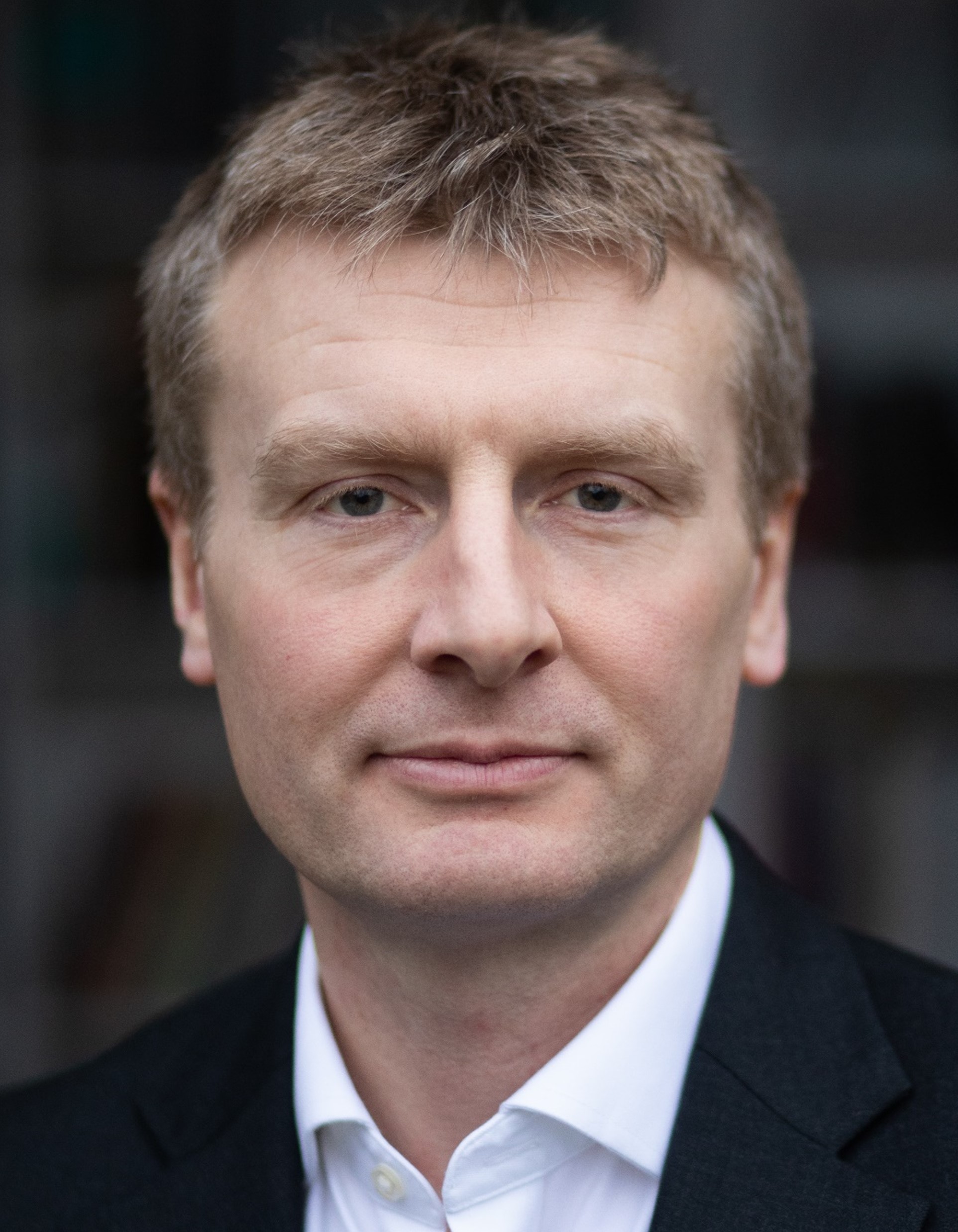
René Riedl

René Riedl, Ph.D.

University of Applied Sciences Upper Austria · Austria

Read bio

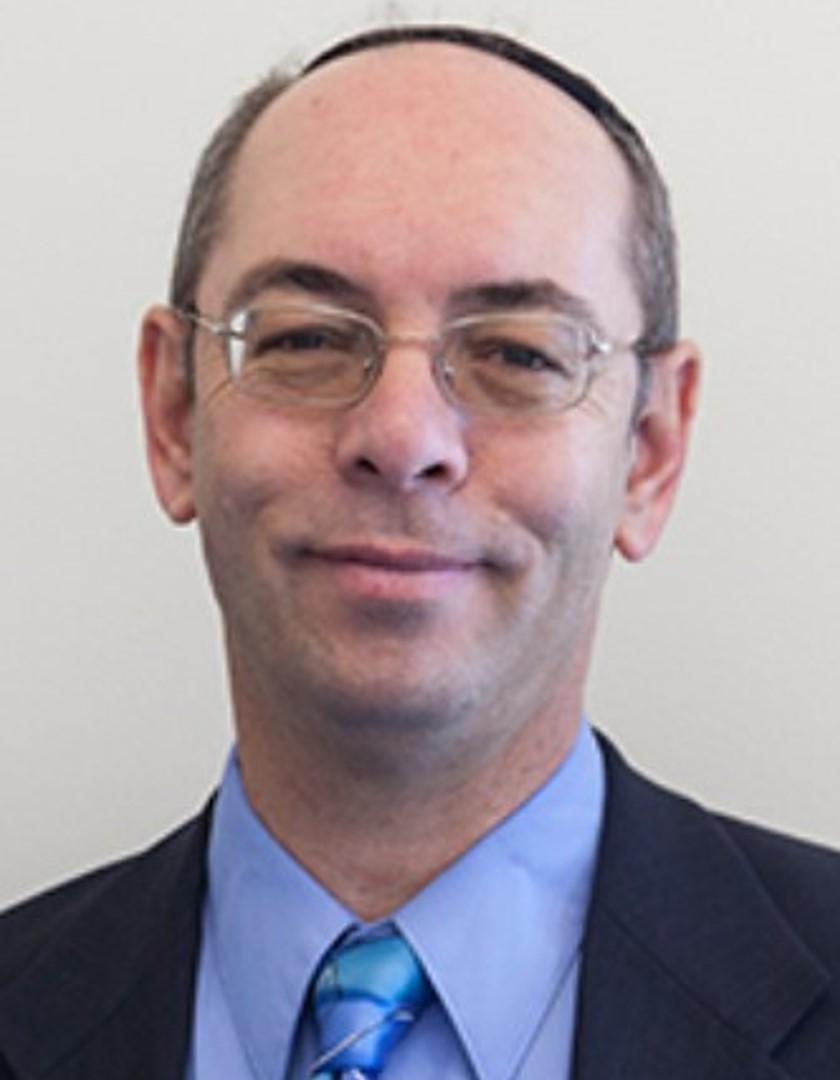
René Riedl is a Professor of Digital Business and Innovation and was vice dean for R&D at the School of Business and Management at the University of Applied Sciences Upper Austria. Moreover, he is an Associate Professor of Business Informatics at Johannes Kepler University Linz and the Scientific Director of the NeuroIS Society in Vienna, Austria, as well as a conference co-chair of the NeuroIS Retreat. He studied Business and Information Systems and received his Ph.D. in Business Informatics. His research focuses on Neuro-Information-Systems (NeuroIS), technostress, and trust and digitalization, employing experimental methods and analysis of survey, computer user behavior, and physiological data. He published many articles related to trust, some of which appeared in high-impact journals in the Information Systems (IS) field and interdisciplinary journals.

Thomas Simpson

Thomas Simpson, Ph.D.

University of Oxford · UK

Read bio

Thomas Simpson is an Associate Professor of Philosophy and Public Policy at the Blavatnik School of Government, University of Oxford, UK, and a Senior Research Fellow at Wadham College. He studied and received his Ph.D. in Philosophy. His research focuses on trust in moral and political philosophy. In addition to core questions about the nature of trust and trustworthiness, he considers its application to applied issues in political life, technology, and the philosophy of religion. He co-edited the volume “The Philosophy of Trust,” and his first monograph, “Trust: A Philosophical Study,” is forthcoming. This provides the first book-length, sustained examination of arguably the most fundamental normative question about trust, namely, what those reasons are which trust is properly responsive to.

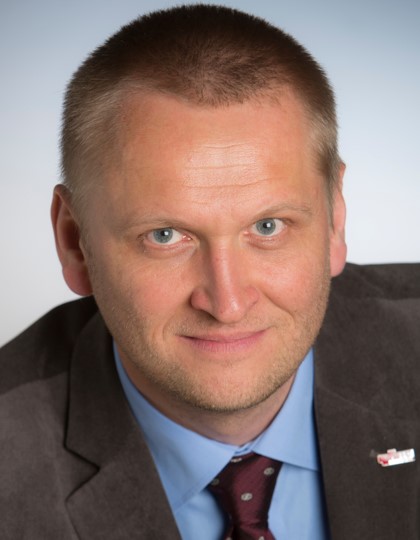
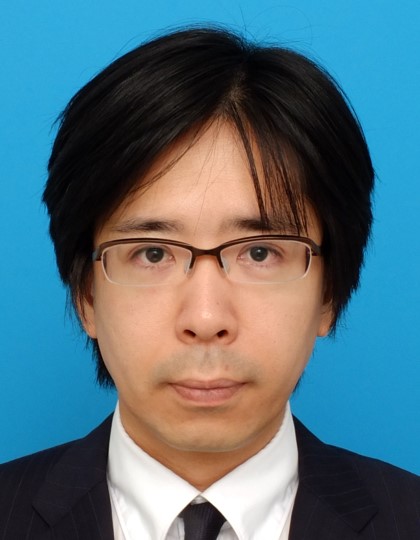
Haruto Takagishi

Haruto Takagishi, Ph.D.

Tamagawa University · Japan

Read bio

Haruto Takagishi is a Professor at the Brain Science Institute at Tamagawa University, Japan. He studied Social Psychology and received his Ph.D. in Behavioral Sciences. His research focuses on the neurobiological basis of prosocial behavior, the development of altruism, and a sense of fairness in preschool children, including its neuroendocrine basis employing economic games, neuroimaging, hormonal analysis, and genetic analysis. He has used an imaging-genetics approach to show that amygdala volume mediates the association between polymorphisms in the oxytocin receptor gene and trust attitudes and that salivary oxytocin levels are associated with vigilance in trust attitudes. He also found that polymorphisms in the arginine-vasopressin receptor gene are associated with trust.

Paul A.M. Van Lange

Paul A.M. Van Lange, Ph.D.

Vrije Universiteit Amsterdam · Netherlands

Read bio

Paul A. M. Van Lange is a Professor of Social Psychology at the VU Amsterdam, Netherlands, a Distinguished Research Fellow at the University of Oxford, UK, and a visitor of the Institute of Advanced Studies in Bologna, Italy. He studied Social Psychology and Quantitative Psychology and received his Ph.D. in Psychology. His research focuses on human cooperation and trust, addressing generosity, forgiveness, trust, and altruism, as well as hostility, hate, corruption, and norm violation, examining cognitive, affective, neurological, and behavioral measures. He has co-written, written, and edited 13 books, including “Trust in Social Dilemmas,” “Social Dilemmas: The Psychology of Human Cooperation” and a two-volume “Handbook of Theories of Social Psychology”.

Vienna 2023

Supported by

The inaugural meeting was made possible with the support of:

The Place

Hotel Schloss Wilhelminenberg

Savoyenstraße 2
1160 Vienna, Austria
View on Google Maps →